
In today’s health-conscious world, organic foods have gained a reputation for being the superior choice, often marketed as healthier and safer than conventionally grown produce. Supermarkets highlight organic sections, social media influencers swear by it, and health magazines extol its virtues. But is there real evidence to support the belief that organic foods are healthier, or is it mainly a result of savvy marketing? This blog explores the research behind organic foods, examining whether their benefits truly live up to the hype.
Evidence Review
Let’s have a look into the science behind organic foods and see what studies reveal about their nutritional and health advantages.
Nutrient Content and Antioxidants: Does Organic Really Offer More?
One often-cited reason for choosing organic foods is their purportedly higher nutrient content. A notable study by Baranski et al. (2014) analysed a variety of organic and non-organic crops, reporting that organic produce might contain slightly higher levels of antioxidants. Antioxidants are beneficial as they combat oxidative stress, which can contribute to chronic diseases. However, the increased antioxidant levels in organic foods were marginal, and researchers noted that this difference has limited clinical significance.
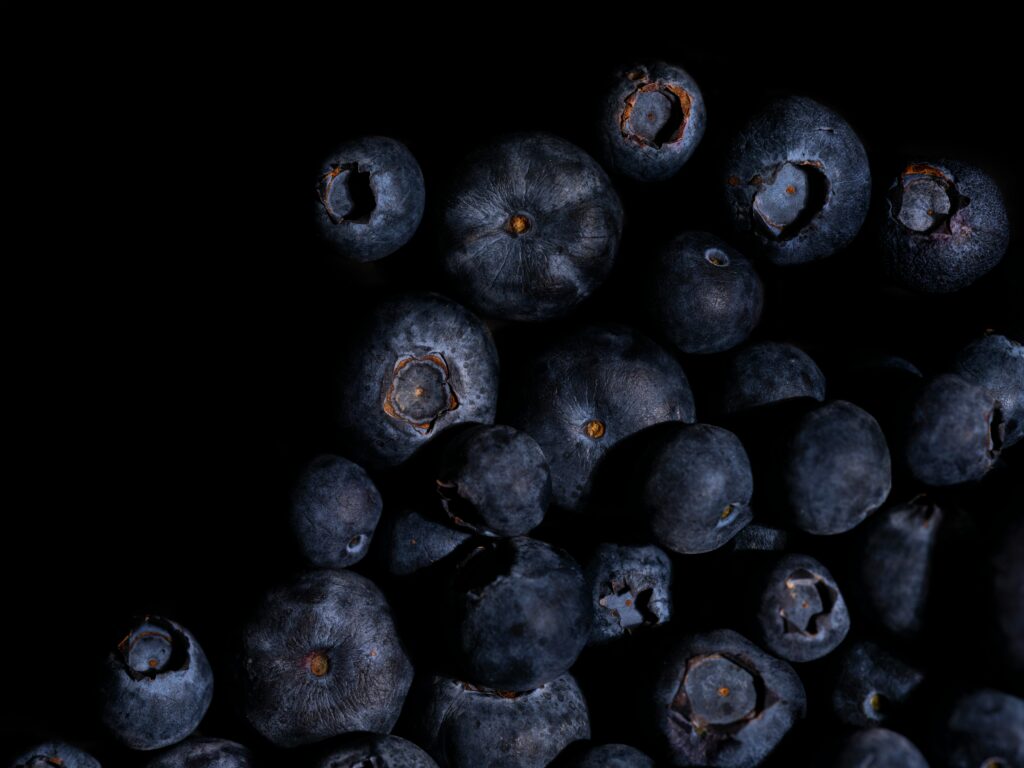
In other words, while organic produce may offer a small boost in antioxidants, it’s unlikely to provide any significant health benefit. The boost is often too minor to impact overall health outcomes, making it more of a “nice-to-have” than a game-changer when compared to conventionally grown produce.
Health Outcomes: Do Organic Eaters Really Experience Better Health?
When it comes to actual health outcomes, evidence supporting organic food superiority is sparse. A comprehensive study by Smith-Spangler et al. (2012) compared the health impacts on people who consumed organic versus non-organic foods, assessing conditions such as eczema, wheezing, and allergic sensitization. Their findings revealed no significant difference in health outcomes between the two groups. Whether people ate organic or conventional foods, their health indicators remained largely the same. This study strongly suggests that, despite the belief that organic foods contribute to better health, the scientific evidence does not support this claim.
Pesticide Exposure: Are Organic Foods Really Safer?
One valid argument in favour of organic foods is their lower pesticide residue levels. A study conducted by Dangour et al. (2010) showed that organic foods typically contain about 30% less pesticide residue than conventional foods. Additionally, consumers of organic foods exhibited lower urinary pesticide levels, a sign of reduced exposure. However, it’s important to note that pesticide levels in both organic and non-organic foods are generally within the safe limits set by regulatory bodies. In essence, while organic foods may expose consumers to fewer pesticides, conventional foods are still safe for consumption due to strict regulatory standards.
Another benefit associated with organic meat, particularly chicken and pork, is the reduced likelihood of antibiotic-resistant bacteria. Organic meat is about one-third less likely to contain these resistant strains than conventionally raised meat, which may be relevant for those particularly concerned about antibiotic resistance. However, the bacteria that cause foodborne illnesses are present in both organic and conventional meats, meaning organic does not guarantee freedom from potential pathogens.

Practical Takeaway
The notion that organic foods are unequivocally healthier or safer than conventional foods is, in many ways, overblown. While there are minor differences—like slightly higher antioxidant levels and lower pesticide residues—these variations are often too small to make a noticeable impact on health. Organic foods offer a bit of reassurance for those wanting to limit their pesticide exposure or reduce their intake of antibiotic-resistant bacteria, but they provide minimal nutritional advantage over conventionally grown foods.
Ultimately, the choice to go organic is a personal one. If avoiding pesticides and supporting sustainable farming practices is a priority, then organic foods might be worth the investment. However, for those focused primarily on nutrition, a well-rounded diet with plenty of fruits, vegetables, whole grains, and lean proteins—organic or not—is likely to deliver all the health benefits they need. Organic foods are an option, not a necessity, for a healthy diet.

In Conclusion
In the quest for optimal health, organic foods aren’t a magic bullet. They offer some unique benefits but fall short of the superiority often attributed to them. Whether you opt for organic or conventional, the most important choice is to consume a balanced, nutrient-rich diet that supports your overall well-being.


